

What is lemonade?
Lemonade is a refreshing, sour-sweet beverage that is made up of water, lemon juice, and sugar. We commonly drink it on hot summer days to refresh and quench our thirst.
How do I prepare lemonade step by step?
Lemonade is usually prepared at home in one of these two ways:
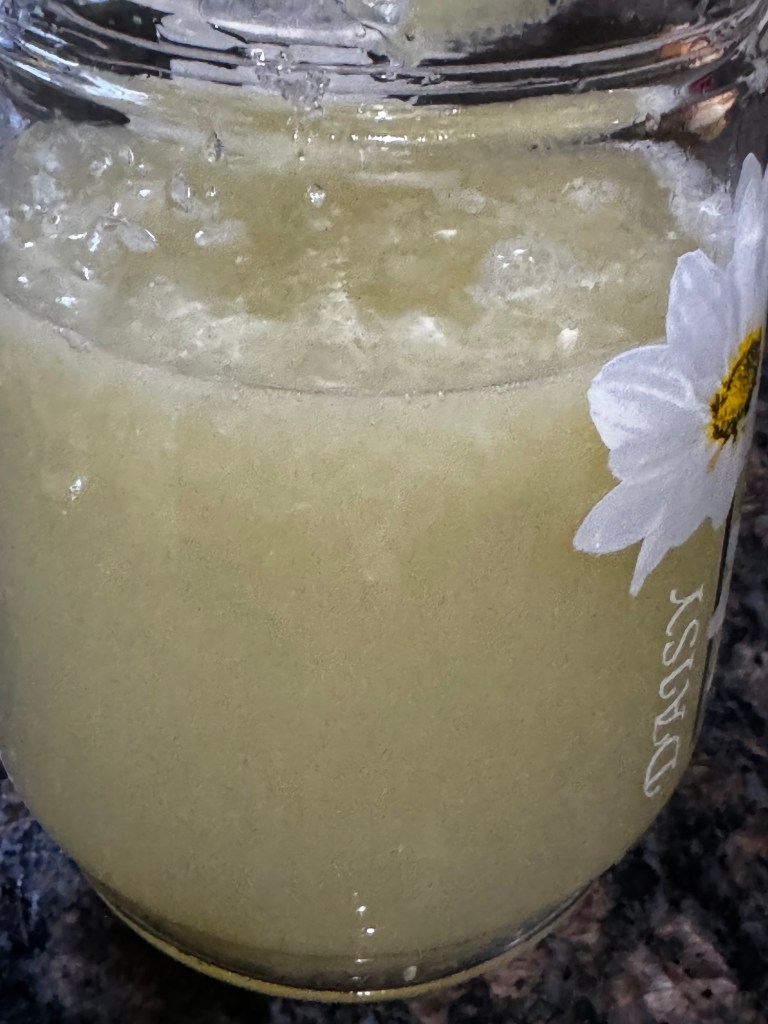
Freshly prepared Lemonade
First way:
1- Cut 6 lemons into halves.
2- Squeeze the lemons with a citrus juicer or squeezer.
3- Pour your juice into a container with 1/2 cup sugar.
4- Add 4 cups of water.
5- Stir well till the sugar dissolves completely.
Afterwards, add the ice cubes to your fresh juice.
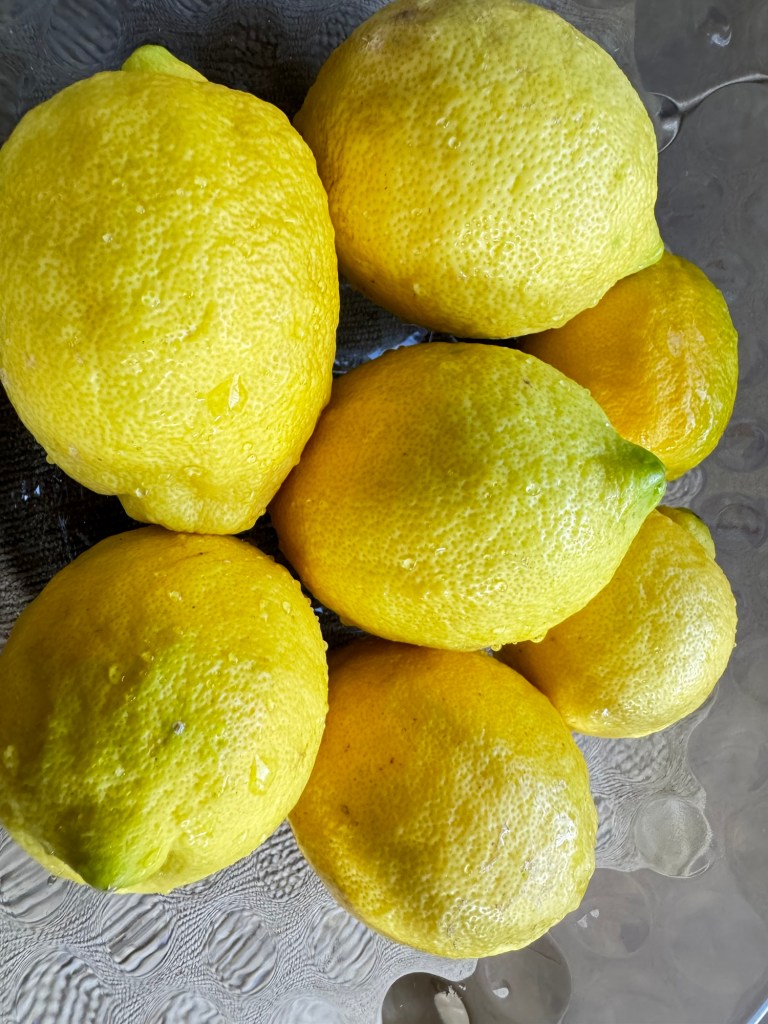
Second way:
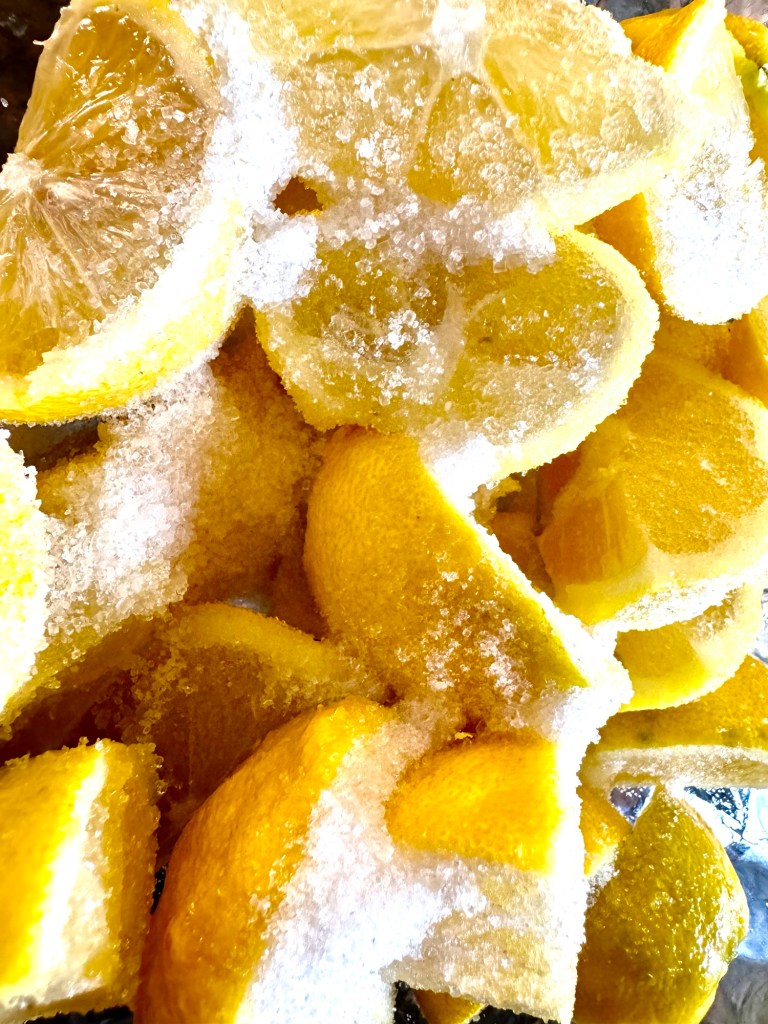
1- Cut the lemons into small pieces and soak them with sugar.
2- Let this sit for around an hour to infuse the lemon flavor with the sugar.
3- Add water and keep it to sit again for 30 mins.
4- Remove the lemons while squeezing them to free them from the liquid.
5- Strain the prepared lemonade.
Afterwards, add the ice cubes to your fresh juice..
In both ways of preparing lemonade, the addition of ice comes after preparing the lemonade. Following a specific order is crucial for optimizing the dissolution process. Begin by using lukewarm water to dissolve the sugar, and then add the ice cubes at the end. This sequence ensures a quicker dissolution of sugar (a solid solute) in the lemon and water mixture.
What is the Chemistry behind it?
Common table sugar is sucrose. Its chemical formula is C12H22O11. Dissolving sugar in water causes the bonds that connect the sucrose molecules together to break, and thus the whole sugar molecules separate from each other. However, the atoms that form each sucrose molecule stay chemically bonded together. Hence, dissolving sugar in water is classified as a physical change.
C12H22O11(s)  “> C12H22O11(aq)
During dissolution, the water molecules connect to the sucrose molecules and pull them from the bulk connected sucrose molecules, and dissolution happens. This animation illustrates, at the microscopic level, the dissolution of glucose molecules in water. https://www.sciencephoto.com/media/539829/view/glucose-molecules-dissolving-in-water
Moreover, using lukewarm water to dissolve the sugar and adding the ice cubes at the end to ensure a quicker dissolution of the sugar (solid solute) in the lemon and water mixture is for a chemical reason. When water is heated, the sugar molecules gain energy and move more rapidly. This increased molecular motion translates to a higher frequency of collisions between water molecules and sucrose (sugar) particles. Hence, water collides more with the sucrose molecules, causing rapid dissolution. Consequently, the rate of dissolution of sucrose in water increases. On the other side, adding ice cubes to water or using cold water before dissolving sugar can significantly slow down the sugar dissolution in water.

 Neo Vision College