

Students are born with the instinctive desire to ask questions. Their curiosity to understand the world around them drives them to seek answers that quench this curiosity and help them in their discovery journey. They start by asking their parents and friends, and later at school, they ask their teachers. The majority of their questions go in vain due to one of these reasons: parents either lack the time or the knowledge to respond to their children’s queries, they believe that the questions are above their kids’ age level, or they are simply tired of their kids’ questions. And as for teachers, many claim that students ask questions outside the syllabus, which wastes their class time. And in some cases, teachers don’t have answers to the kids’ questions.

These questions need to be nurtured and supported both by parents and educators. Parents have to encourage their kids to ask questions, and they have to find time to answer them. We realize that in some cases, parents don’t have an answer to their kids’ questions! Here, parents have to search for answers or consult a professional to provide them with adequate answers. Moreover, parents can simply guide their kids to raise these questions in class. On the other hand, teachers must view kids’ questions as teaching opportunities. They can transform them into inquiry-based questions to be investigated by the class. This will provide the students with a great sense of their autonomy and self-worth while simultaneously providing the instructor with an opening for an inquiry-based project.
The majority of teachers claim that it disturbs their lesson plan sequence when kids consistently interrupt them with their questions. Hence, some teachers ignore students’ questions, let them feel that their questions are dumb and silly, or, in the best case scenario, guide them to ask their questions later as they are not related to the addressed lesson. This will deter other kids from further asking questions and transform the class into a place where students can answer and engage in discussions without asking questions. In contrast, teachers must encourage students to ask questions. They have to value the questions and invest in them. One way to help teachers organize kids’ questions without humilating them is by creating a parking lot. This will help organize questions and keep space for kids queries that may later transform into investigable questions.
Why is it vital to encourage kids to ask questions? First, people who ask questions initiate a mental loop that helps reveal the answer, develop the question itself into a higher-order thinking question, or promote the question into an investigable one. Second, posing questions will bring the students’ concealed misconceptions to light and raise their self-awareness at the level of their learning. Thirdly, it grants a better comprehension of the concepts or phenomena. Moreover, asking questions restores positive relationships. Sometimes they reveal compassion, humility, and love. Additionally, it boosts kids’ critical thinking, logical reasoning, and social communication skills.
The big question is: how can we transform students’ daily questions into investigable ones? And at a more advanced stage, how can we instill in kids the skill of generating investigable questions?
Elevating and enhancing kids’ skills at asking questions is not an easy process. It needs structure and continuous training. First, start by building a community that values and praises questions asked by students in the same way it praises answers to questions asked by the teacher. Second, create situations and engage kids in activities that expose them to new experiences and observations. This will trigger their curiosity and push them to inquire. Third, ask them questions that initiate a series of questions and pose a “why?” followed by another “Why?” for their answers. This will deepen the level of conversation and provoke kids’ thoughts, leading to creative solutions and a better understanding of the phenomena around them. Moreover, your kids’ answers will give you insights into the areas of their concern and interests. Helping you to discuss the topics that appeal to them and giving you a solid ground for deep intellectual conversations.
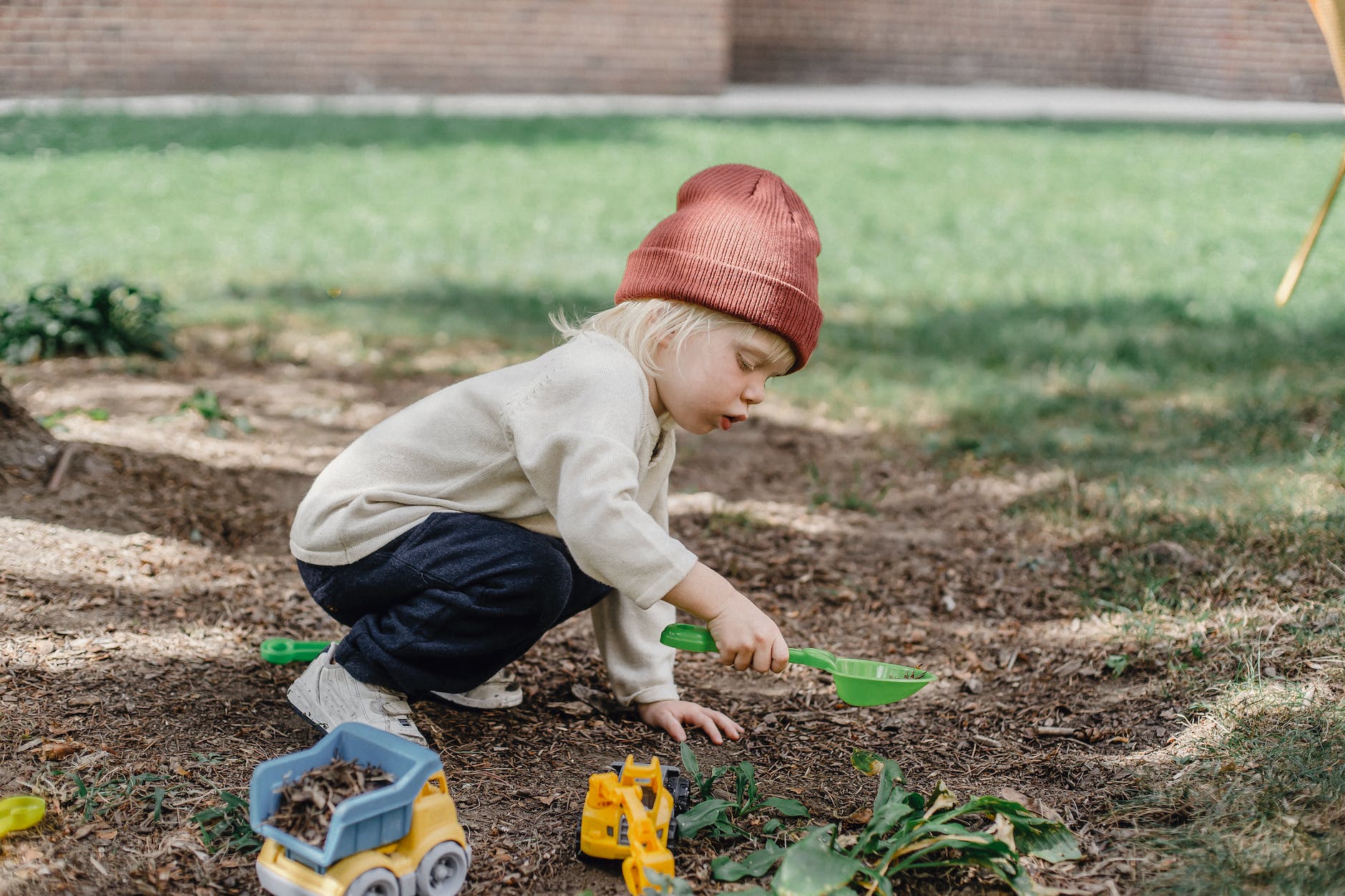
These prompted discussions and the series of questions will bring to the surface an inquiry question that experienced instructors will be able to identify and develop for an open inquiry-based lesson.
As parents or teachers, reflect on the time you initiated an intellectual conversation with your kids. Consider the last time you exposed your kids to open-ended queries or altered their closed-ended questions into open-ended ones. The majority of the questions we usually ask are answered with a “Yes” or “No” answer. Kids have a 50% probability of answering them correctly without even knowing the underlying concept. Hence, it is time to revamp the system and focus on initiating and embracing kids queries instead of hindering them. We have to ignite and sparkle the chain of questioning that builds the brain’s connections, boost kids’ conceptual thinking and cognitive skills, and enrich us with inquiry-based questions. Having students Investigate these questions has enormous benefits on their academic level and life skills.

 Neo Vision College
1 Comment